No Products in the Cart


Last Updated: October 13, 2026
Artisan made wedding gifts give a couple something factories can't replicate: intention. At Home 2 Court, we've curated handmade and handcrafted pieces because they carry weight generic registry items don't.
Artisan-made wedding gifts reflect genuine thought. A handcrafted piece tells a story and shows the giver took time to find something meaningful rather than grabbing whatever was convenient.
Craftsmanship also means durability. Artisans build quality into every detail: a handmade serving tray won't chip after one dinner party, and a custom-engraved bowl becomes a family heirloom rather than a donation-pile item five years later.
Thoughtfulness separates memorable artisan made wedding gifts from forgettable ones. Handmade items inherently signal that you cared enough to seek out something special.
Consider functional pieces couples use regularly. The Hartland Champagne Flute (Set of 2) by Simon Pearce is handmade by master glassblowers working in tandem. At $170.00, they're functional art the couple will raise in toasts for decades.

For entertaining, handcrafted serving pieces elevate any gathering. The Roman Antique Chip and Dip Bowl by Annieglass is a registry staple because it works: handmade from durable clear glass and hand-painted with 24k gold or platinum bands, this bowl ($227.00) functions beautifully while looking like art, and personalized engraving transforms it into a keepsake.

Home decor gifts work well for newlyweds establishing their home. Handcrafted pieces add personality store-bought items can't match, turning a decorative bowl or sculptural piece into a conversation starter.
Match the gift to how they'll actually use it: a couple who entertains needs serving pieces, while a couple focused on home comfort needs decorative elements that make their space feel intentional.
Customization transforms a good gift into a meaningful one. Adding a couple's initials, wedding date, or names creates something impossible to replicate.
The Roman Antique Chip and Dip Bowl by Annieglass accepts custom engraving, a date, initials, or brief message, turning a functional piece into a personal keepsake tied to their marriage.
For couples who love entertaining, the Encanto Carola Pyrex Holders by Beatriz Ball offer handmade elegance.

Personalized gifts acknowledge that this couple is unique. Mass-produced items assume all newlyweds want the same things; custom pieces say you understand their specific style.
Timing matters: custom work takes longer than ordering off the shelf. Plan ahead so your gift arrives when you need it.
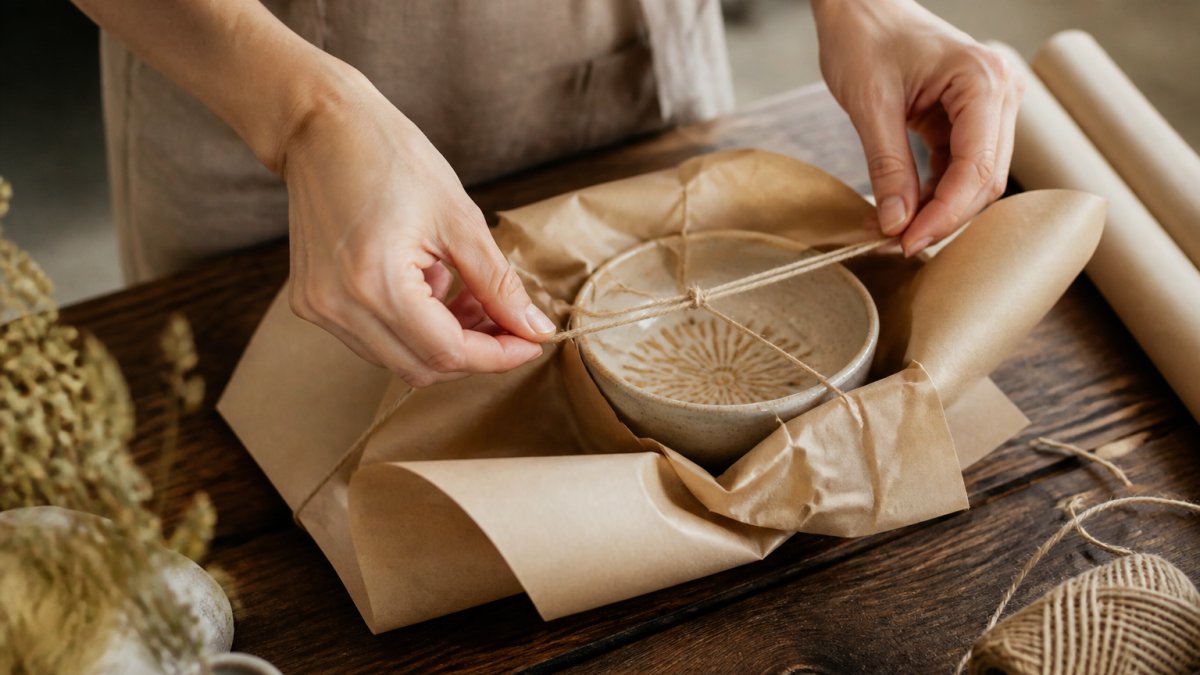
A keepsake improves with age, becoming more valuable not by market price but by accumulated memories and meaning.
Artisan-made pieces naturally become keepsakes through their quality and uniqueness. The Napa Home & Garden Serena Decorative Bowl ($180.00) is handcrafted by skilled artisans, each petal painstakingly applied, glazed, and fired. Ten years later it sits on their mantle, not because it's trendy, but because it's beautiful and irreplaceable.
Functional keepsakes work even better. The Hartland Champagne Flutes get used for anniversaries, celebrations, and quiet evenings at home, and each time the couple reaches for them, they remember who gave the gift.
Creating a keepsake also means choosing materials that last. Handmade glass, ceramic, and metal pieces withstand decades of use when cared for, while mass-produced alternatives often deteriorate within a few years.
Uniqueness separates artisan gifts from everything else, but "unique" and "well-made" aren't the same thing. A one-of-a-kind piece that cracks in a year isn't a keepsake, it's a regret. Here's how to tell the difference.
The Mazzega Art & Design Murano Glass Water Glasses ($159.00) illustrate the point.
A quality and authenticity checklist. Run any artisan piece through these before you commit:
Why uniqueness prevents a specific problem: duplicates. With mass-produced registry items, multiple guests might buy the same thing; with handcrafted pieces, that's effectively impossible. Unique pieces also set the tone for a couple's space, becoming a focal point that reflects their taste.
Peony (Dark Pink) Organic Goat's Milk Artisan Soap (Wrapped) →
The durability claim, substantiated. Handmade glass, ceramic, and metal pieces can withstand decades of use, but only when material and construction support it, and only with proper care.
Irreplaceability cuts both ways. One-of-a-kind pieces become more meaningful over time because they can't be replaced: break a mass-produced bowl and you buy another, but break a handcrafted piece and it's gone, precisely why they'll take better care of it.
Understanding the practical side of artisan gifts prevents disappointment and ensures your present arrives on time.
Budget Reality: Handcrafted pieces cost more than mass-produced alternatives, and that's intentional: artisans invest hours in their work, quality materials cost more, and fair wages raise the price.
Ordering Timeline: Plan ahead. Custom engraving and made-to-order pieces take 2-4 weeks minimum, plus shipping. If the wedding is six weeks away, order now; if it's two weeks away, choose something in stock.
Care Instructions Matter: Handmade glass requires different care than mass-produced glass. The Roman Antique Chip and Dip Bowl by Annieglass is dishwasher safe. The Hartland Champagne Flutes are dishwasher-safe, though hand washing is recommended, and citrus cleaners should be avoided as they may damage the glass.
| Artisan Gift Type | Budget Range | Typical Timeline | Care Level |
|---|---|---|---|
| Hand-poured soap | $13-$15 | In stock | Minimal |
| Decorative bowl | $145-$180 | In stock | Low |
| Serving pieces | $170-$227 | In stock or 2-3 weeks | Medium |
| Custom-engraved items | $200+ | 3-4 weeks | Medium to high |
| Glassware sets | $159-$170 | In stock | Medium |
Shipping Considerations: Handmade glass and ceramic pieces require careful packaging. Confirm that the artisan or retailer uses appropriate protection. Damaged goods on arrival defeat the purpose of choosing something special.
Choosing artisan-made gifts supports real people and sustainable practices. The harder question is how to tell whether a given piece lives up to that claim. Here's how to verify it.
Start with the maker, not the label. "Handmade" and "artisan" aren't regulated terms in the United States, so any retailer can use them. The Wakefield Handmade Forcing Pot ($67.50) is a good example: designed by master potter Peter Wakefield and handmade in Honduras, its provenance is specific rather than generic.
Ask where the materials come from. Material sourcing is where most "sustainable handmade" claims fall apart, a hand-thrown bowl fired in a gas kiln and shipped across an ocean may carry a larger footprint than a locally made factory piece. Ask the seller:
A concrete example from our own catalog: the hand-poured organic goat's milk soaps use Fair Trade palm and coconut oils, are biodegradable, made without animal testing, and come out of a zero-waste soapmaking process, checkable specifics, not a vibe.
Look for third-party signals, not just self-description. A few markers carry more weight than marketing copy:
Understand what "small batch" really means. Artisan production reduces overproduction and dead inventory because pieces are made to order or in limited runs, a genuine environmental advantage, but only when the piece is actually used and kept.
Preserving skills is part of the value. Buying from a master glassblower or ceramic artist helps keep a trade alive. Factories can't replicate knowledge passed down through generations of makers, and once a studio closes, that knowledge often goes with it.
According to the Craft and Hobby Association's research on consumer preferences, consumers increasingly value handmade products because they represent authenticity and connection to makers. For wedding gifts specifically, that preference has grown as couples seek meaningful alternatives to mass-produced registry items. The transparency of artisan businesses also builds trust, the Better Business Bureau's standards for ethical retailers emphasize clear communication about sourcing, production, and pricing, and reputable artisans are happy to explain their process and materials.
Artisan-made wedding gifts offer genuine craftsmanship, one-of-a-kind character, and thoughtful quality that mass-produced items cannot match. Each piece reflects the maker's skill and attention to detail. Unlike factory-made products, handcrafted gifts carry sentimental value and tell a story, making them meaningful keepsakes that newlyweds will treasure for decades. The personal touch of knowing someone created your gift by hand adds emotional significance to the present.
Artisan pricing varies based on complexity, materials, and customization. Home 2 Court offers handcrafted options ranging from $13 for organic goat's milk artisan soaps to $227 for handmade glassware like the Roman Antique Chip and Dip Bowl. Most meaningful artisan gifts fall between $50 and $200, depending on your relationship to the couple and personal budget. Remember that artisan pricing reflects the maker's time, skill, and quality materials, not markup.
Ordering timelines depend on the artisan and level of customization. If you're shopping for an upcoming wedding, check with the maker about deadlines before ordering. Plan ahead to ensure your gift arrives on time.
Yes. Handmade and artisan-made gifts demonstrate intentionality and care that mass-produced items rarely convey. When you choose a handcrafted piece, you're selecting something created with skill and attention, often by an independent maker who poured time into their craft. This authenticity resonates with couples who value quality and uniqueness. Personalized engraving, custom colors, or made-to-order designs add another layer of meaning that shows you thought about their specific tastes and needs.
Artisan-made wedding gifts matter because they honor the couple's commitment with something genuinely special. They last longer, mean more, and create memories that extend far beyond the wedding day. At Home 2 Court, we've built our gift selection around this principle, choosing pieces from skilled artisans who care about their craft as much as you care about celebrating this couple.
SHOP NOW and discover handmade wedding gifts that reflect thoughtfulness, quality, and lasting value.
