No Products in the Cart


Last Updated: November 11, 2026
Quick Summary
To avoid gift shopping scams, verify the seller before you pay by checking for a real street address, a working phone number, and reviews, and walk away from shops that hide those details. Pay with a credit card for unfamiliar sellers, since gift cards, wires, and payment apps are usually irreversible. Never share gift card numbers or PINs with anyone who contacts you.
Learning how to avoid online gift shopping scams starts with one habit: slow down before you pay. Gift shopping scams are a growing problem, and the Federal Trade Commission reports that gift cards remain one of the most common payment methods scammers demand.
Before you enter card details anywhere, run a quick seller check:
A trusted retailer will always show clear return terms and a real business address. If a shop hides those details, walk away. For a deeper walkthrough of vetting stores and spotting quality listings, our guide to tips for buying quality gifts online covers the checks we use ourselves.
Fake online shopping websites share a handful of tells, and most of them involve pressure. A suspicious offer usually pushes you to act fast, before you can think. The FTC's consumer advice on online shopping scams notes that fake stores often copy real brand logos and prices that look too good.
Here's what to watch for:
One common mistake is judging a shop by its design alone. Scammers buy polished templates. The real test is whether the seller has a track record you can check. If you're comparing deals and want a shortlist of stores that do the basics right, see our high quality home gifts online guide.
Gift card scams work because gift cards are like cash: once the number is used, the money is gone. Scammers ask for gift card numbers and PINs because the payment can't be reversed. No legitimate store, government agency, or utility will ever ask you to pay with gift cards.
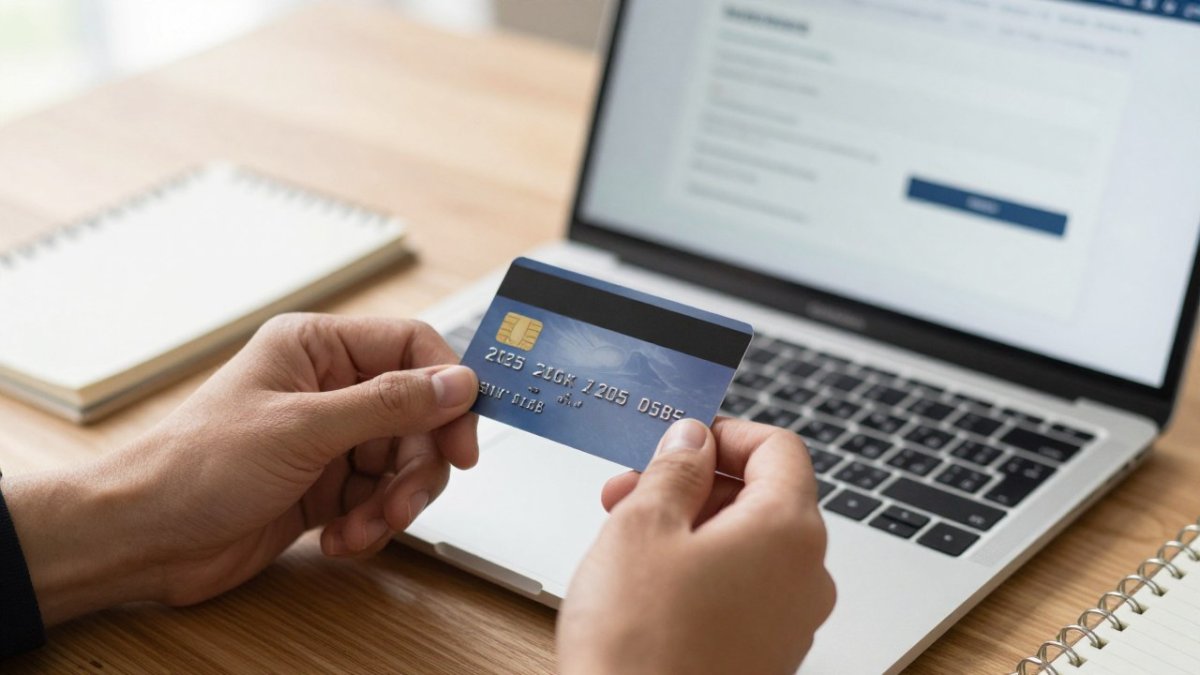
Protect yourself with these habits:
Watch out: scammers scratch off the code on cards still sitting on store racks, then wait for someone to load them. Inspect the packaging and buy cards kept behind the counter when you can.
Payment method is the single biggest lever you control when buying gifts online, because it determines whether you can get money back after a seller disappears.
Credit cards give you the strongest federal backstop. Under the Fair Credit Billing Act, you can dispute billing errors and unauthorized charges, and your liability for unauthorized use is capped at $50.
Debit cards are weaker. Disputes run through your bank and, for unauthorized use, through Electronic Fund Transfer Act rules.
Gift cards are cash. Once a gift card number and PIN are used, the balance is generally gone and there is no chargeback.
A practical payment rule for gift shopping:
| Payment method | Dispute path | Best use for online gifts |
|---|---|---|
| Credit card | Fair Credit Billing Act dispute; issuer chargeback | Default choice for any unfamiliar seller |
| Debit card | Bank dispute under EFTA rules; slower, funds leave account | Only established retailers |
| Payment app / P2P | Often irreversible; limited or no dispute | People you know, not marketplace strangers |
| Gift card | None once redeemed | Never for a seller |
| Bank transfer / wire | Very limited recovery | Never for an online gift purchase |
Before you check out, confirm the page is encrypted (look for HTTPS and a lock icon), use a unique password for each shopping account, and turn on two-factor authentication where offered.
Watch out: a seller who asks you to pay by gift card, wire, or crypto "to avoid fees" is steering you away from the only methods that can be reversed.
Phishing is a fake message that pretends to be from a store, shipper, or bank and pushes you toward an unknown link. Delivery scams spike during holiday shopping, when people expect packages and click fast. The FTC's guidance on phishing and fake delivery notices explains how these messages harvest logins and card numbers.
Keep these rules close:
If a delivery notification asks for a small "redelivery fee," that's a classic sign of fraud. Real carriers don't charge you by text link.
Recovery depends on what went wrong. A drained gift card, a gift order that never arrived, and a fake storefront that took your card details are three different problems with three different first calls.
If a gift card was drained or the code was shared:
If a gift order never arrived or arrived wrong:
If you entered card or account details on a fake site:
Preserve the paper trail. Save screenshots of the listing, the seller profile, the messages, the payment record, and any tracking number. If you are ready to move on to safer gift options, see our creative ways to display personalized gifts.
Report beyond the FTC. Add the platform where the seller found you, the gift card issuer's fraud team, and, if money was lost online, the Internet Crime Complaint Center. Keep every report number; you will need it for follow-ups.
Watch out: a "recovery agent" or "refund specialist" who contacts you after a scam and asks for a fee or your card details is running a second scam on the same victim.
Reporting gift card scams helps you recover money and helps regulators shut down repeat offenders. File with the FTC first, then add the card issuer and the platform where the scam happened. Keep your report number; you'll need it for follow-ups.
Where to report:
Save screenshots of the listing, the messages, and the payment record. A clear paper trail speeds up every review.
Safety and good taste can live in the same shopping trip. At Home 2 Court, our selection is curated to help you find thoughtful gifts with less guesswork. Our bridal gift and registry services can help you choose pieces, and our pickleball equipment is available for players of all skill levels. We'd rather you shop with a clear head than a rushed one.
Scammers count on rushed decisions and unclear sellers. Shop with a store that shows its face, explains its products, and helps you choose well. Home 2 Court offers a curated selection of home decor, gifts, and apparel, plus bridal registry support and pickleball gear for every skill level. Get started with Home 2 Court and give gifts you feel good about.
Check for a working phone number and physical address, read seller reviews and ratings on independent sites, and confirm the website uses https with a valid padlock. Search the shop's name plus the word scam to see what other buyers report. Be wary of a site with no return policy, no contact page, or prices far below every other retailer. Paying with a credit card adds a layer of protection if something goes wrong.
Buying physical or e-gift cards directly from a trusted retailer or the card issuer's official website is generally safe. Risk rises when you buy from third-party marketplaces, online auctions, or resale sites, where tampering and stolen card numbers are common. Never share the card number or PIN with anyone who asks for it, and avoid gift cards as payment for goods from an unfamiliar seller, since that is a hallmark of gift shopping scams.
Recovery depends on speed and how you paid. Report the fraud to the gift card issuer immediately so they can freeze the remaining balance, then file a report with the FTC and your local police. If you paid a fake website with a credit card, contact your card issuer to dispute the charge. Gift cards are treated like cash, so funds already spent are usually gone, which is why acting within hours matters.
Call your credit card or bank right away and ask them to stop or dispute the payment. Change passwords on any account where you reused the same login, and enable two-factor authentication. Save order confirmations, screenshots, and emails as evidence. Then report the site to the FTC at ReportFraud.ftc.gov and to your state attorney general. If your personal information was exposed, watch your accounts for unusual activity.

