No Products in the Cart


Quick Summary
The most long lasting home decor is made from solid wood, natural fibers, recycled glass, acrylic or ceramic, chosen to match how often a piece is handled and whether it faces moisture or direct sun. Solid wood and natural fibers age with character, while acrylic resists breakage around children and pets. Matching the material to the wear it will actually face is the key to long lasting home decor.
Last Updated: November 4, 2026
Most home decor doesn't fail because of bad design. It fails because the material couldn't handle daily life, and choosing durable pieces is how you get long lasting home decor. A vase gets knocked off a shelf, a side table picks up water rings, a candle holder dulls after a few years of sunlight. Choosing the right material from the start is the most reliable way to make a piece last.
At Home 2 Court, we curate decor, and this guide walks through the materials that hold up best in real homes. For practical entertaining-focused examples, read our durable home decor for entertaining companion article. We'll cover natural fibers and solid wood, glass and acrylic, durable furniture for active households, and how to care for each one so it keeps looking good.
Start by asking three questions before you buy: How often will this be touched? Will it sit in direct sunlight or near moisture? Do you want it to age or to stay looking new? The answers point you toward the right material faster than any trend report will.
Solid wood and natural fibers like bamboo root, rattan and raffia are some of the longest-lasting options for home decor. Their appeal goes beyond looks. Wood and natural fibers develop character over time, and a small scratch or fade often reads as patina rather than damage.
Our Alpine Dcuk figurine is carved from bamboo root and painted by hand. Each piece is individually made, so the head pose, paint detail and bamboo markings may vary from the photos.
The Gable coasters pair raffia with a classic leather trim.
Pros of natural materials:
Cons to weigh:
Glass, acrylic and ceramic are each used in home decor for different purposes.
Our Acrylic Stemmed Wine Glasses are designed for indoor and outdoor use, with a modern, sleek design. You can shop the Tritan acrylic stemmed wine glass set that embodies this unbreakable option. The Acrylic Salad Bowl "Fulmine" with Servers is a clear acrylic bowl that comes with servers.
The Napa Avila Vase is made from 100% recycled glass. For a concrete ceramic option, browse the Napa Woodland ceramic vases. It is decorative interior use only and should be cleaned with a mild soap.
Pros:
Cons:
Here is how the three materials compare on the points the article raises.
| Material | Key strength | Main drawback |
|---|---|---|
| Acrylic | Resists breakage around children and pets | Can scratch over time |
| Recycled glass | Weight and stability | Can chip or crack from hard knocks |
| Ceramic | Holds color and shape under regular handling | Chips usually cannot be repaired invisibly |
Furniture takes the most abuse, so the material's construction matters more than its finish. Solid marble and iron combine well for small pieces that need stability, while raffia and leather suit surfaces that see daily use.
The Indra Side Table pairs a white marble top with a gold metal base. It is a petite, modern piece that weighs 8.01 lbs. Clean with a damp cloth and avoid harsh chemicals (Cleaning Grave Markers (U.S. National Park Service)).
Cleaning method decides how long most decor keeps its finish, but the deeper variable is how each material responds to moisture, abrasion, and UV light. The rule is simple: gentle and dry beats harsh and wet, and the right repair at the first sign of wear extends life more than any routine cleaning schedule.
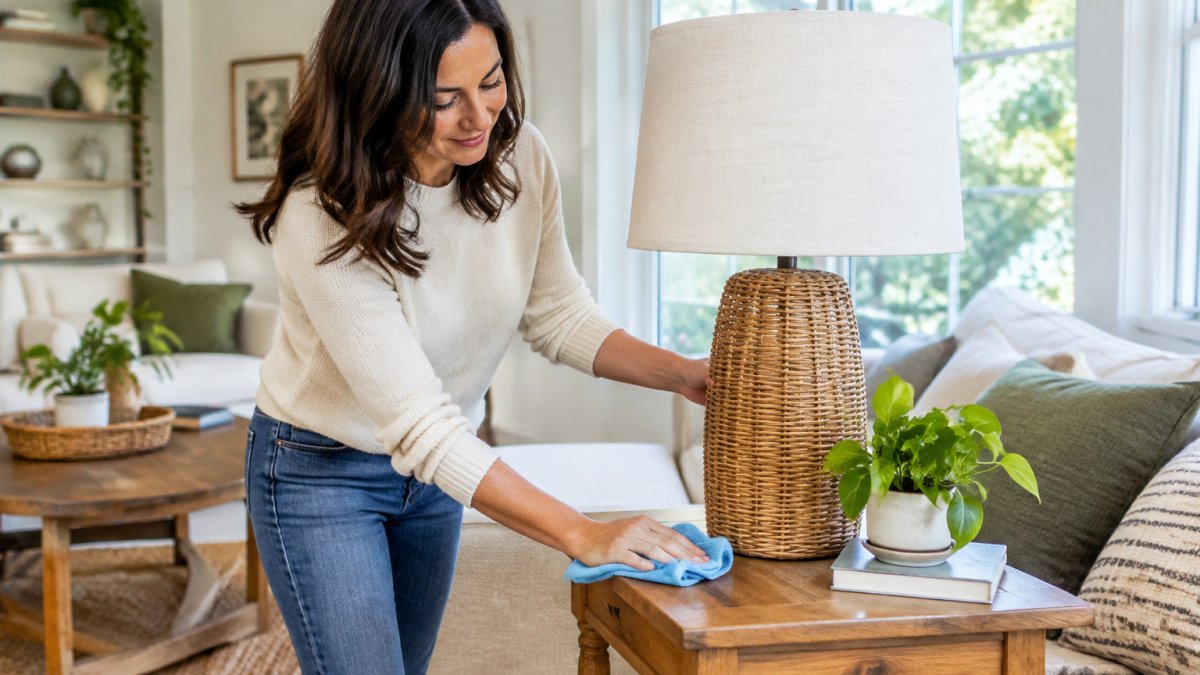
Watch out: Many people clean natural materials with all-purpose spray cleaners. Those often contain solvents that dull finishes over time, so check the care instructions before you reach for the spray bottle. The same solvents can strip wax from wood and break down leather conditioners, which shortens the interval before the next repair.
Not every change to a piece is a problem. Patina, the soft aging that develops on wood, brass and leather, is often what makes a piece more attractive over time. The useful skill is telling healthy patina from damage early enough to act. A gentle sheen and deepened color are patina; cracks, lifting finishes, mold, or sticky residue are signs to intervene.
Aging timelines vary by material and exposure. Unsealed brass typically darkens within months in humid rooms and can be polished back with a brass cleaner if you prefer the bright look. Leather lightens and softens with handling, and a conditioner every six to twelve months keeps it from drying at the edges. Solid wood develops a warmer tone under UV light; the change is usually gradual over years, and rotating pieces away from direct sun keeps the shift even. Raffia and woven fibers relax slightly with use, which is normal, but sagging or fraying at the rim signals moisture exposure rather than patina.
Repairability is the second measure. Solid wood can be sanded and refinished, and a wax stick handles light scratches before they need a full refinish. Leather can be conditioned and re-edged; a leather balm restores flexibility at worn corners. Ceramic chips usually cannot be fixed invisibly, which is worth knowing before you buy an heirloom-style piece. Acrylic scratches can be buffed with plastic polish, while glass chips are best left to a professional or retired from daily use.
Environmental impact and longevity can pull in different directions. A piece that lasts 20 years may have a larger footprint upfront than a cheaper item replaced every two years, but the longer-lived piece avoids repeated production and shipping. Recycled glass reduces waste, and long-lasting pieces reduce how often you buy new decor at all. The trade-off is not always obvious: a natural fiber that biodegrades quickly may need replacing sooner than a sealed synthetic that lasts longer but persists in landfill. Weighing both the material's lifespan in your home and its end-of-life path gives a truer picture than either factor alone.
When you shop for sustainable decor, look for clear material information rather than vague eco claims. Recycled glass, responsibly sourced wood, natural fibers and small-batch production are concrete signals. Products that state their materials and care instructions openly are generally easier to trust.
Ask how a piece is made, what it is made from, and how to maintain it. A brand that answers those questions plainly is usually a good sign. Sustainable choices are often the durable ones, because a piece you keep for years is the most eco-friendly option you have.
Start with the room and how it gets used. Solid wood, natural fibers and recycled glass suit calm spaces. Acrylic and sealed surfaces fit homes with kids, pets or frequent entertaining. Match the material to the wear it will actually face, and you will spend less time replacing things.
At Home 2 Court, our curated collection includes pieces across these materials, from the Vermont Evergreen Object to the Bamboo Lamp Base, which runs up to 10 hours on a single charge with three brightness settings. Ready to choose a statement piece, you can browse the crystal glass candle holder among our durable decor. Browse the collection and pick one piece that fits how your home lives, then build from there.
Solid hardwood, dense ceramic and tempered glass are among the most durable options for everyday home decor. Solid wood resists dents when it is finished well and can be sanded and refinished decades later. Ceramic and glass hold their shape and color under daily handling. Acrylic is shatterproof, which makes it practical for households with children or pets, though it scratches more easily than glass and needs gentle cleaning to stay clear.
Natural materials such as solid wood, bamboo, raffia and leather often age with character and can be repaired or refinished, which extends their useful life. Synthetic materials like acrylic and certain resins are lightweight, easy to clean and resist moisture well, but they cannot be restored the same way once damaged. The better choice depends on the room: natural fibers suit calm, low-traffic spaces, while acrylic suits busy dining areas and outdoor entertaining.
Check the product listing for specific material names rather than vague terms. Look for stated dimensions and weight. Care instructions are also useful for knowing how to maintain a piece.
Match the cleaning method to the material. Wipe marble and iron surfaces with a damp cloth and avoid harsh chemicals. Spot clean raffia and leather. Use a mild soap on recycled glass.

